Beyond the trading blotter shown above, the Salt Data Grid theme I helped design covers a much wider surface area of enterprise use cases — from row grouping to inline validation. The full set of live, code-backed examples is documented on saltdesignsystem.com.
Design System Foundations
Alongside components, I worked on the foundational design tokens that every Salt component is built from — the shared rules for color, spacing, typography and elevation that keep the system consistent across every Line of Business. These are documented publicly on saltdesignsystem.com/foundations.
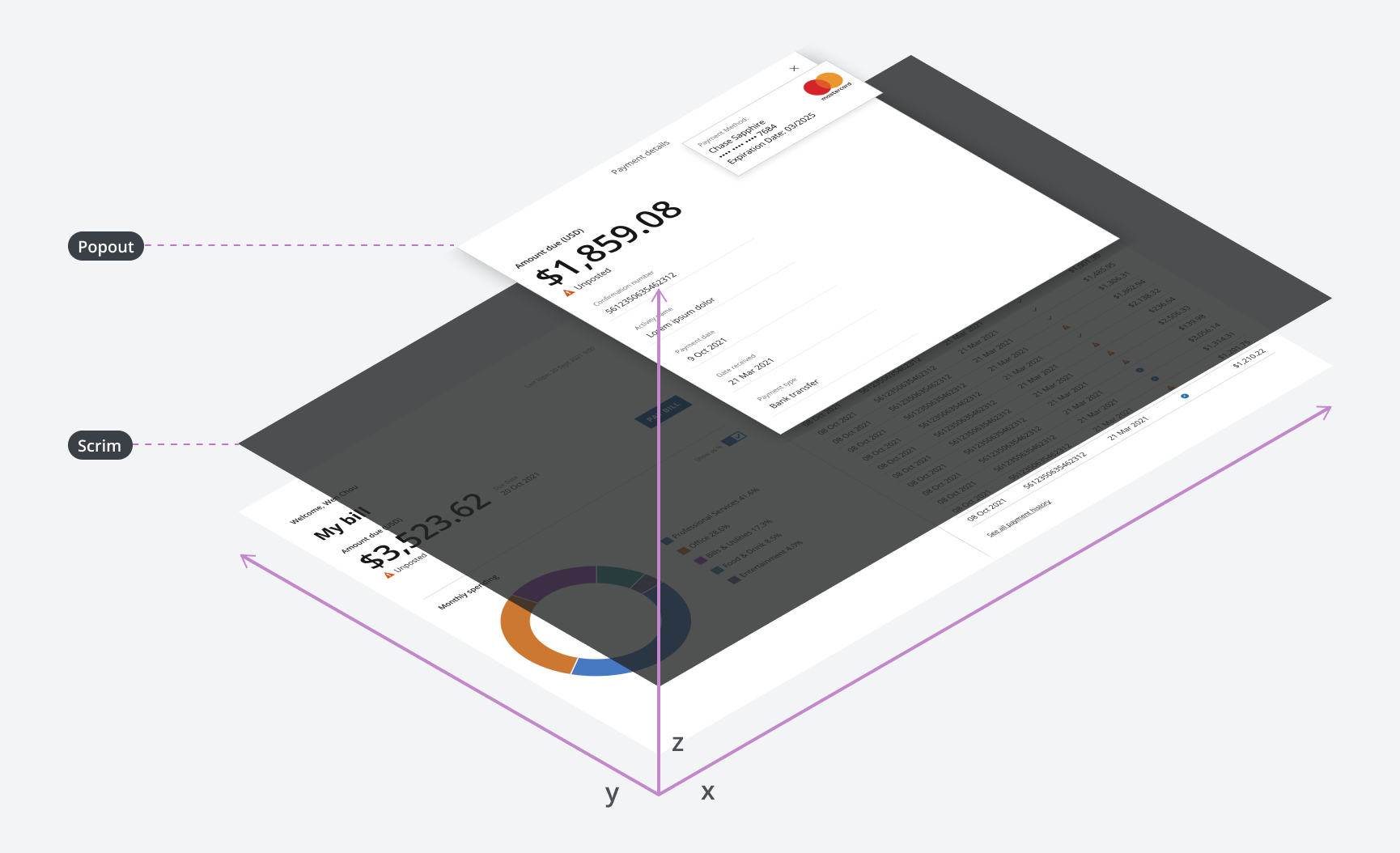
As a VP Designer at J.P. Morgan, my focus has been on scaling the Salt Design System from the ground up, establishing core structural foundations and building out high performance components like the data grid. Salt's foundations act as the atomic building blocks and non negotiable rules of its design language. By standardizing elements like spacing, density, color, and typography into a token driven system, we ensure that every financial application we build across the firm maintains a consistent visual rhythm, strict accessibility standards, and the high density capability required for enterprise banking.